


Blog
How to Read a Hemp Lab Report (COA): A Simple Guide

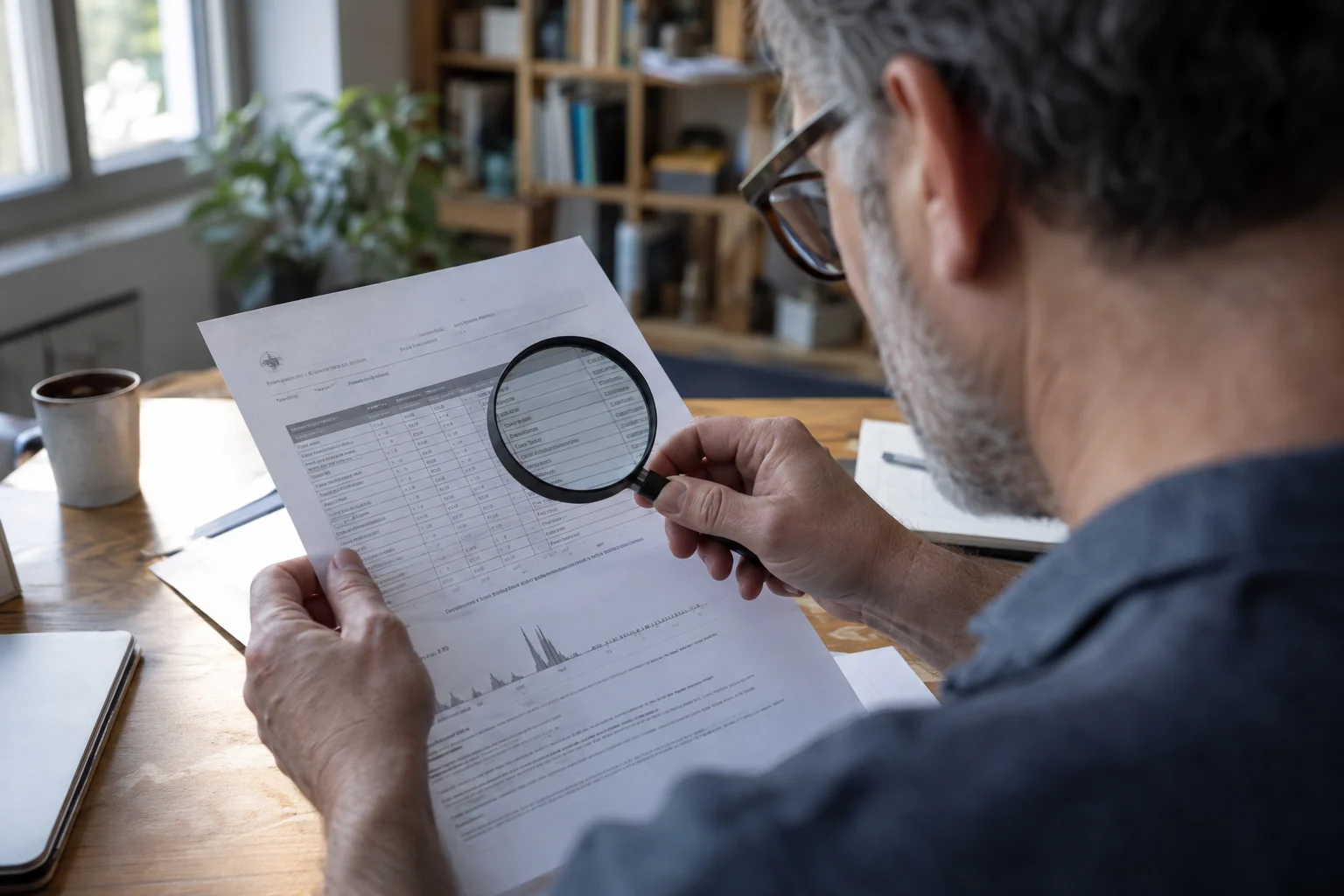
A QR code on a hemp package often leads to a “COA,” or Certificate of Analysis. This report can help explain what a laboratory found in a particular sample. Knowing its limits is just as important as finding the numbers.
What is a COA?
A Certificate of Analysis is a laboratory document describing tests on an identified sample. It should tell you what was tested, the methods used, and the reported results. A COA belongs to a batch, not simply to a brand: two batches of the same product may have different reports.
Step 1: Match the product and batch
Find the batch or lot number on the package, then compare it with the report. Check the product name and format as well. A report for a different batch, or for an ingredient instead of the finished product, may not describe the item in front of you.
Texas DSHS’s labeling guidance identifies batch information, manufacturer details, and a URL linking to a COA among required label information. A QR code is a useful shortcut, but still check where it leads.
Step 2: Identify the laboratory
Look for the laboratory name, contact information, sample identifier, and report number. Check whether the laboratory is independent of the manufacturer. If accreditation is claimed, verify the laboratory and the scope of that accreditation rather than relying on a logo.
Step 3: Read the units before the result
A percentage, milligrams per gram, milligrams per serving, and milligrams per package are different measurements. Before comparing two numbers, confirm that they use the same units and refer to the same quantity of product.
Total delta-9 THC commonly accounts for THCA using this formula: delta-9 THC + (THCA × 0.877). Reports may list other totals as well. Check the laboratory’s definition of each total and consult the Texas testing rules for regulatory terminology.
Step 4: Review the cannabinoid profile
A cannabinoid table lists the compounds tested and their measured amounts. Delta-9 THC, THCA, CBD, and CBG may appear as separate rows. A result marked “ND” means not detected under the method’s reporting conditions; it does not establish that absolutely none of the compound exists.
“LOQ” means limit of quantitation: the lowest amount the method can reliably quantify. Read notes about detection limits and measurement uncertainty before interpreting a very small result.
Step 5: Check the safety panels
- Pesticides: testing for specified crop-treatment residues.
- Heavy metals: testing for specified metals.
- Residual solvents: testing for substances that may remain after processing.
- Microbials: testing for specified organisms, such as mold or bacteria.
A potency table answers a different question from a contaminant panel. Read which substances were actually tested and whether the reported result met the stated limit. A “pass” applies to that test and sample; it is not a universal safety guarantee.
Step 6: Check dates and completeness
Look for the sample date, testing date, report date, and any expiration information. Read all pages. Cropped screenshots, missing batch details, blurry tables, or a report that does not match the product deserve follow-up with the laboratory or manufacturer.
Frequently asked questions
Does a COA prove legality?
No. It reports laboratory findings for a sample. Current legal requirements involve more than a single test result.
What if I cannot understand a result?
Ask the issuing laboratory or manufacturer to explain the units, methods, and report notes. Avoid guessing from an isolated number.
Where do I check current Texas guidance?
Start with the DSHS Consumable Hemp Program and its linked rules.
For adults 21+ only. Keep adult-use products out of reach of children and pets. Last updated October 17, 2026.