


Blog
Vape Device Types and Battery Safety Explained

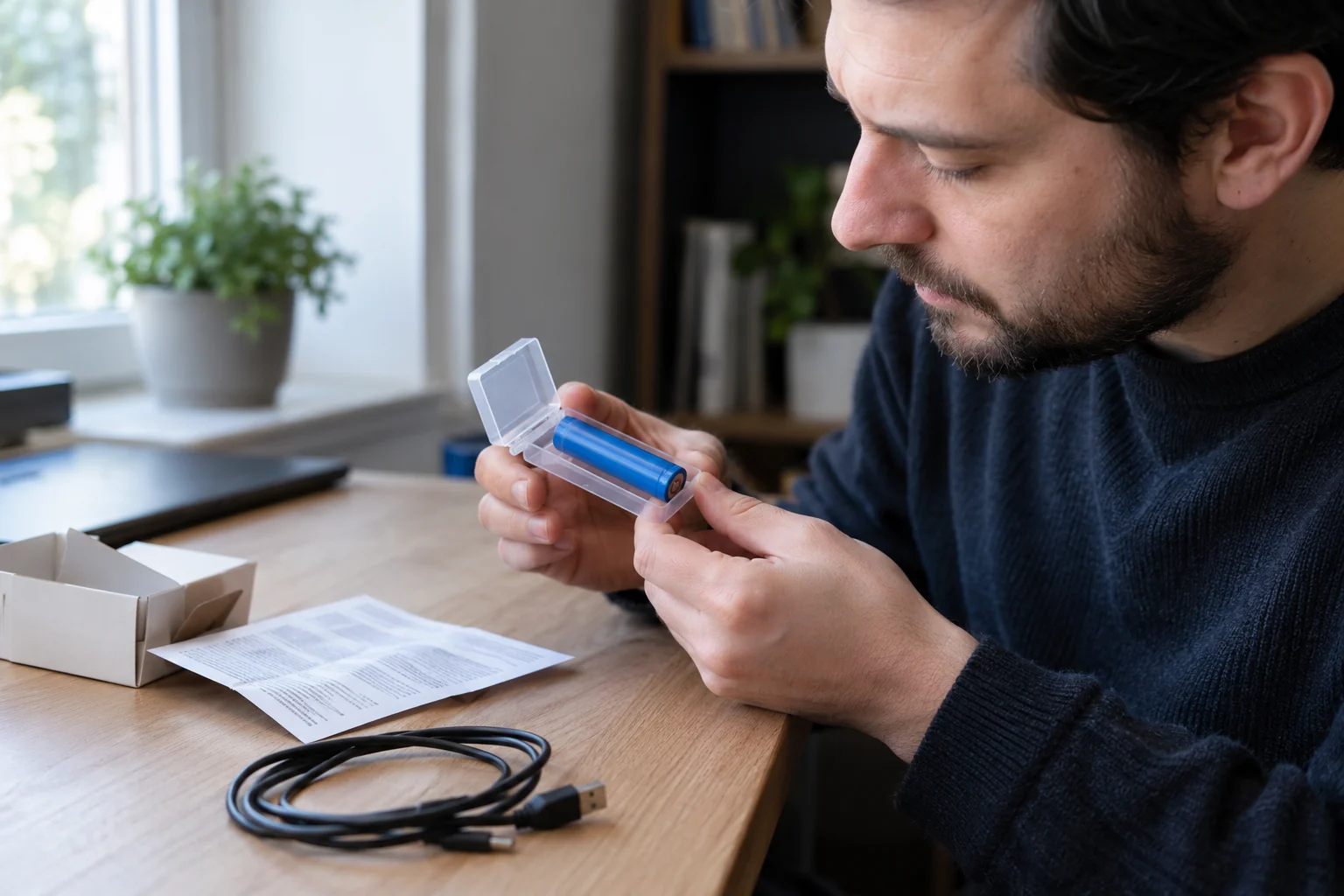
Vaping devices come in several formats, and the terminology can be confusing. This is a neutral overview for adults who already use these devices, with a focus on understanding the equipment and reducing handling risks. It does not recommend starting to vape or choosing a product.
Nicotine is addictive. CDC guidance explains the health risks of vaping. E-cigarettes are not for young people, pregnant people, or adults who do not already use tobacco products.
The main device terms
Pod systems use a pod that holds liquid and connects to a battery. Some pods are sealed and others are refillable. The word “pod” describes a component format; it does not by itself establish what the liquid contains.
Refillable devices have a reservoir designed to be refilled. Refilling does not make a device safer, and the manufacturer’s instructions remain essential. Liquids and components are not automatically interchangeable.
Mods commonly refers to devices with more adjustable settings. More controls can create more opportunities for incorrect use. Do not change settings or components beyond the manufacturer’s specifications.
Understanding nicotine information
Labels may show nicotine concentration in milligrams per milliliter or as a percentage. Read the units and the complete warning. “Salt” and “freebase” describe nicotine formulations, not a safety rating. Do not infer a suitable concentration or use pattern from a device’s size or appearance.
Battery safety comes first
The FDA warns that vape batteries can cause fires or explosions. Its battery safety guidance emphasizes following instructions, using appropriate batteries and charging equipment, avoiding metal contact, and protecting devices from extreme temperatures.
- Use only batteries and charging equipment specified by the manufacturer.
- Keep removable batteries individually protected; avoid contact with coins, keys, or other metal.
- Do not use a battery with torn wrapping, damage, swelling, or unusual heat.
- Do not leave charging equipment unattended or charge on soft, combustible surfaces.
- Do not modify batteries or combine incompatible components.
Storage in Houston-area heat
Do not leave a device or battery in a parked car or in direct sun. Keep equipment and liquids secured away from children and pets. Follow the manufacturer’s directions for orientation, temperature, and storage rather than assuming one approach applies to every model.
Basic care for an existing device
Follow the manual for routine cleaning and component replacement. Stop using equipment that leaks, becomes unusually hot, or behaves unexpectedly. A change in taste or battery behavior is not a reason to increase power or experiment with repairs.
Disposal and recycling
The EPA advises keeping lithium batteries and devices containing them out of household trash and curbside recycling. Contact your local household hazardous-waste or electronics collection service and ask how it accepts batteries, devices, and nicotine-containing liquids.
Frequently asked questions
Are parts interchangeable?
Not automatically. Follow the exact model’s compatibility instructions.
Does a small device mean a low risk?
No. Size does not establish nicotine content, electrical safety, or health risk.
What if the battery is damaged?
Stop using and charging it. Seek manufacturer guidance and contact an appropriate local collection service for safe disposal instructions.
For adults 21+ only. Keep adult-use products out of reach of children and pets. Last updated October 17, 2026.